
Decaf Coffee Guide – Best Options That Actually Taste GoodMany people assume decaf coffee is always weak or flavorless. The good news is that high-quality decaf has improved dramatically in recent years. Today, there are excellent decaf options that deliver rich flavor without the caffeine.In this guide, we explain how decaf coffee is made, compare the best decaf beans and pods, and help you find great-tasting decaf that doesn’t compromise on flavor.How Decaf Coffee Is Made
Most decaf is created using one of three methods:
The information in this guide is for educational purposes only. Individual taste preferences vary.
Most decaf is created using one of three methods:
- Swiss Water Process — Chemical-free, uses only water and filters. Best for flavor retention.
- CO2 Process — Uses pressurized carbon dioxide. Very effective and clean.
- Solvent Process — Uses chemical solvents (most common and cheapest).
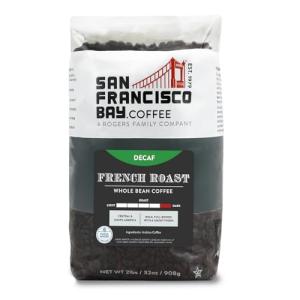
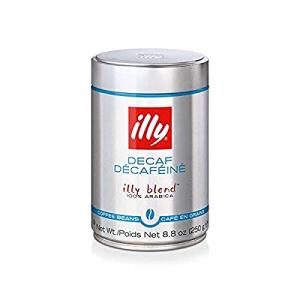
- Whole Bean Decaf — Best flavor. Look for Swiss Water Process Arabica beans from reputable roasters.
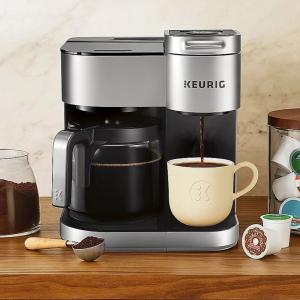
- K-Cup / Pod Decaf — Most convenient. Many brands now offer surprisingly good Swiss Water decaf pods.
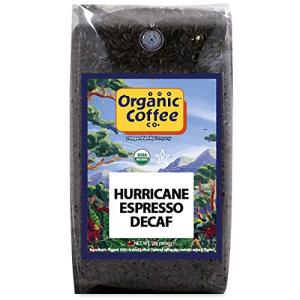
- Espresso Decaf — Needs good crema and rich body. Premium decaf espresso blends are available.
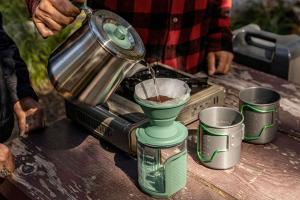
- Swiss Water Process single-origin decafs for pour-over and drip.
- Balanced decaf blends for espresso machines.
- Flavored decaf options (vanilla, hazelnut, etc.) for those who enjoy variety.
- Buy freshly roasted decaf whenever possible.
- Store beans properly in an airtight container.
- Use a slightly finer grind than regular coffee to compensate for lower caffeine.
- Experiment with different origins — many people are surprised how good decaf can taste.
The information in this guide is for educational purposes only. Individual taste preferences vary.