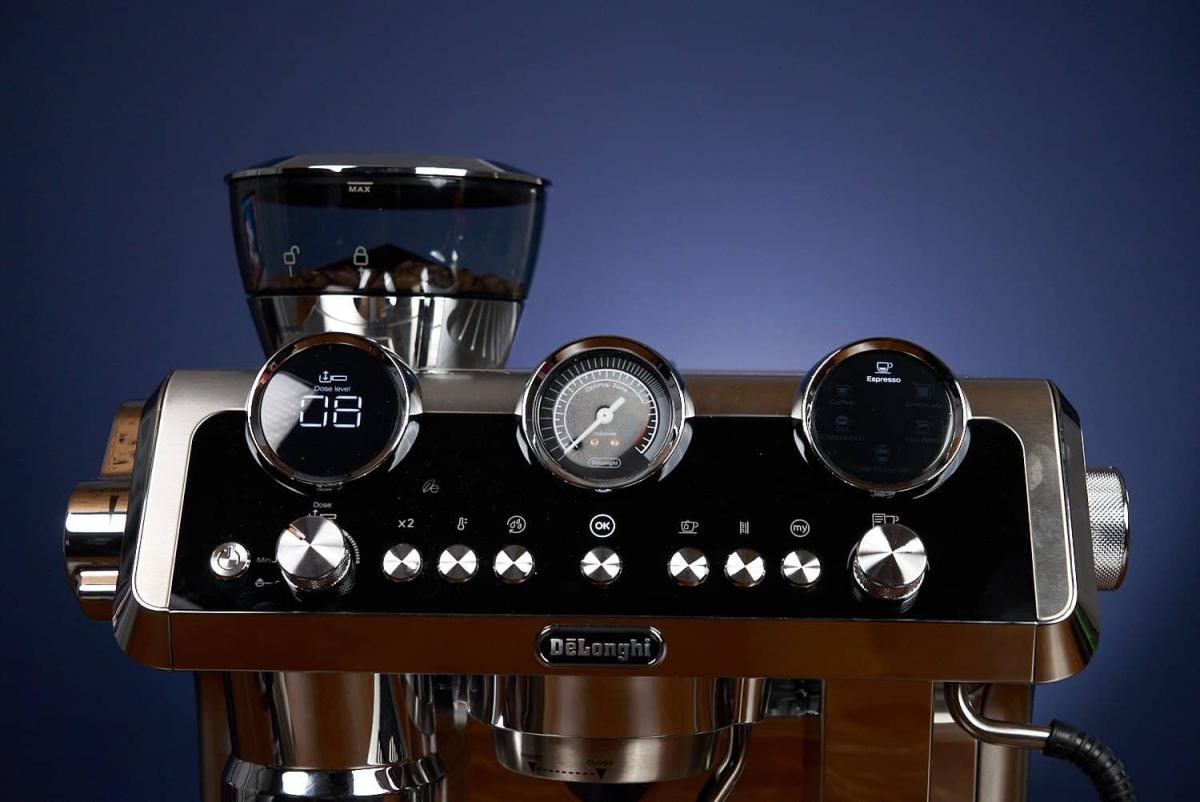
The Ultimate Guide to Different Types of Coffee Machines: How to Choose the Right One for YouCoffee is a daily ritual for millions of people worldwide. Whether you’re a busy professional needing a quick caffeine fix, a home barista crafting the perfect espresso, or a family that goes through pots of drip coffee every morning, the right coffee machine can transform your experience. With so many options available in 2026—from simple drip brewers to high-tech super-automatic espresso systems—choosing the best coffee machine can feel overwhelming.In this comprehensive 1,200+ word guide, we’ll break down the main types of coffee machines, their pros and cons, key features, and most importantly, how to decide which one suits your lifestyle, budget, and coffee preferences. We’ll also spotlight three standout products from Big Coffee Store (bigcoffeestore.com) that deliver excellent value and performance. By the end, you’ll have the knowledge to make a confident purchase that elevates your morning brew.1. Drip Coffee Makers: The Reliable Everyday WorkhorseDrip coffee makers are the most popular and straightforward type of coffee machine. They heat water and let it pass through a filter filled with ground coffee, producing a large batch of smooth, balanced coffee ideal for sharing.Pros:
- High capacity (often 8–12 cups)
- Affordable (many models under $100)
- Easy to use and clean
- Consistent results with minimal effort
- Limited customization compared to espresso machines
- Can produce weaker coffee if not calibrated properly
- Requires pre-ground coffee or a separate grinder for best flavor
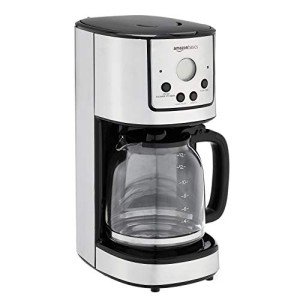
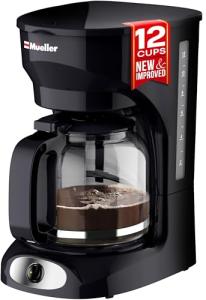
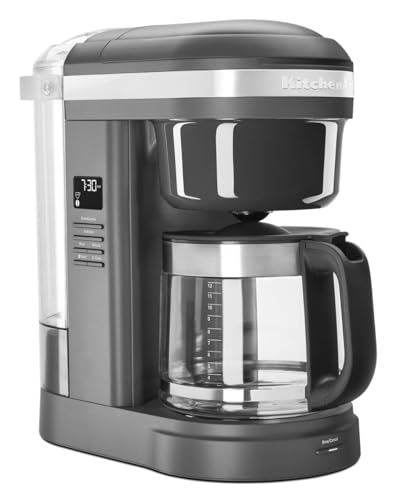
12-Cup Stainless Steel Drip Coffee Maker
Brew your perfect cup of coffee every morning with ease and style
Product information
$34.99
Product Review Score
4.48 out of 5 stars
56 reviewsProduct links
2. Espresso Machines: For the Bold, Concentrated ShotEspresso machines force hot water through finely ground coffee under high pressure (usually 9–20 bars), creating a rich, crema-topped shot that forms the base for lattes, cappuccinos, and Americanos.There are three main sub-types:
- Manual (lever or stovetop) – Full control, but steep learning curve.
- Semi-automatic – You control the shot timing; machine handles pressure and temperature.
- Super-automatic / Bean-to-Cup – Grinds beans fresh, tamps, and brews with one touch.
- Intense flavor and professional-style drinks
- Versatile (espresso, milk-based drinks)
- High-end models offer precise temperature and pressure control
- Higher price point and learning curve
- More maintenance (descaling, milk system cleaning)
- Slower for large groups

AMZCHEF MZCHEF Espresso Machines with LED Touch screen, Espresso Coffee machine Equip 20Bar Pressure System, Cappuccino Machine, Compact Latte Machine for Home Gifts,Silver
Product information
Product Review Score
4.88 out of 5 stars
190 reviewsProduct links
3. Pod and Capsule Machines: Speed and ConvenienceThese single-serve machines use pre-portioned pods or capsules (Nespresso, Keurig, etc.) for mess-free brewing in under a minute.Pros:
A: Drip coffee makers still dominate for everyday use, but super-automatic espresso machines are surging in popularity due to convenience.Q: Are pod machines worth it long-term?
A: Great for convenience, but calculate cost per cup—whole bean machines often save money over time.Q: How often should I clean my coffee machine?
A: Daily rinse for espresso milk systems; weekly descale for all machines; monthly deep clean.Q: Do I need a separate grinder?
A: For best flavor with drip or espresso machines, yes—freshly ground coffee makes a noticeable difference.
- Extremely fast and consistent
- Minimal cleanup
- Huge variety of flavors and brands
- Compact size
- Higher long-term cost per cup
- Limited environmental friendliness (plastic/aluminum pods)
- Less flavor customization
- Freshness and convenience combined
- Customizable strength, temperature, and milk texture
- Minimal daily effort
- Expensive upfront ($1,000+)
- Larger footprint and regular descaling
- French Press / Pour-Over Systems: Immersion or manual drip for full-bodied, flavorful coffee. Affordable but requires technique.
- Percolators: Vintage-style for strong, robust brews (popular in offices).
- Cold Brew Machines: For smooth, low-acid iced coffee.
- Assess Your Coffee Preferences
Love strong espresso-based drinks? Go espresso or super-automatic. Prefer simple black coffee? Drip or French press. - Consider Daily Volume and Household Size
Single person or couple → pod or single-serve. Family or office → 10–12 cup drip. - Set a Realistic Budget
- Under $50: Basic drip
- $100–$300: Quality drip or entry-level espresso/pod
- $300–$1,000+: Semi-automatic or advanced super-automatic
Factor in ongoing costs (pods vs. whole beans).
- Evaluate Kitchen Space and Design
Compact pod machines fit tiny counters. Super-automatics need more room. - Think About Ease of Use and Maintenance
Beginners love touch-screen or pod systems. Enthusiasts enjoy manual control but accept more cleaning. - Factor in Features
Look for thermal carafes, programmable timers, built-in grinders, milk frothers, and app connectivity on newer models.
- Buying solely on price—cheap machines often lack durability.
- Ignoring water quality (use filtered water to prevent scale buildup).
- Overlooking descaling frequency for espresso machines.
- Not testing grind size—freshly ground beans always taste better.
A: Drip coffee makers still dominate for everyday use, but super-automatic espresso machines are surging in popularity due to convenience.Q: Are pod machines worth it long-term?
A: Great for convenience, but calculate cost per cup—whole bean machines often save money over time.Q: How often should I clean my coffee machine?
A: Daily rinse for espresso milk systems; weekly descale for all machines; monthly deep clean.Q: Do I need a separate grinder?
A: For best flavor with drip or espresso machines, yes—freshly ground coffee makes a noticeable difference.